
Many borrowers searching for fast release utang online expect money to arrive immediately after approval. In reality, loan disbursement speed depends on several operational steps happening behind the scenes. Even if an app shows “approved,” the transfer still passes through wallet verification, banking rails like Instapay or PESONet, fraud screening systems, and payout scheduling.
Some borrowers receive funds in minutes, while others wait overnight or until the next banking day. Delays are often caused by wallet maintenance, incorrect account details, holiday cutoffs, risk reviews, or failed digital transfers—not necessarily loan rejection.
This article explains how online lenders in the Philippines actually release funds to GCash, Maya, bank accounts, and other digital wallets. It also covers why transfers get delayed, how weekends affect release timing, what happens during failed payouts, and how borrowers can reduce processing problems before applying.
Why “Approved” Does Not Always Mean Instant Money 💸
A common misunderstanding among borrowers is assuming approval equals automatic release. Philippine lending apps typically separate the process into two stages:
- Loan approval
- Loan disbursement
The approval stage evaluates identity, income signals, repayment behavior, device trust, and fraud risk. The disbursement stage handles the actual transfer of money to a wallet or bank account.
These are processed by different systems.
Some lenders automate both stages. Others approve quickly but release funds in batches depending on:
- Banking schedules
- Wallet partner availability
- Internal fraud checks
- Transfer network status
- Borrower verification confidence scores
Because of this, a borrower may see:
- “Approved”
- “For release”
- “Disbursement pending”
- “Processing payout”
- “Queued for transfer”
…before the money actually appears in their account.
This operational gap explains why some users wait several hours despite receiving approval notifications immediately.
Typical Release Times for Fast Release Utang Online
The actual timing depends on the lender, payout channel, and time of application.
Common Processing Windows in the Philippines
| Payout Method | Typical Release Window | Common Delays |
|---|---|---|
| GCash via Instapay | Minutes to 2 hours | Wallet maintenance, verification mismatch |
| Maya Wallet | Minutes to several hours | Maintenance windows, transfer retries |
| Traditional banks via Instapay | Usually within minutes | Bank downtime, account validation |
| PESONet bank transfer | Same day or next banking day | Cutoff schedules |
| Weekend applications | Often delayed | Reduced bank processing |
| Holiday applications | May move to next banking day | Banking network closures |
The fastest releases usually happen when:
- The borrower already passed prior KYC checks
- The wallet is fully verified
- The lender supports automated Instapay transfers
- The application is submitted during business hours
- No fraud flags are triggered
Borrowers applying late at night often experience longer waiting times because some lenders still use semi-manual release monitoring after business hours.
How the Approval-to-Disbursement Pipeline Actually Works
Most lender marketing pages simplify the process into “Apply → Approved → Receive Money.” In practice, modern Philippine fintech systems involve several backend layers.
Identity and KYC Verification
Before releasing funds, lenders typically verify:
- Government-issued IDs
- Selfie matching
- Mobile number ownership
- Device consistency
- Wallet ownership
- Behavioral fraud signals
Many apps now use:
- Facial recognition
- OCR ID extraction
- Device fingerprinting
- OTP authentication
- GPS consistency checks
If anything appears suspicious, the payout may pause automatically even after approval.
For example:
- Using multiple devices within one application
- Logging in through VPNs
- Uploading blurry IDs
- Using a GCash account under another person’s name
…can trigger additional review.
This is one reason why some borrowers experience overnight waiting despite “instant approval” messaging.
Disbursement Queue and Payment Routing
Once verified, the loan enters a payout queue.
The lender then routes the money through:
- Instapay
- PESONet
- Partner banks
- Digital wallet APIs
- Internal treasury systems
Some lenders release funds individually in real time. Others group payouts into scheduled batches.
This distinction is rarely explained publicly but heavily affects actual waiting times.
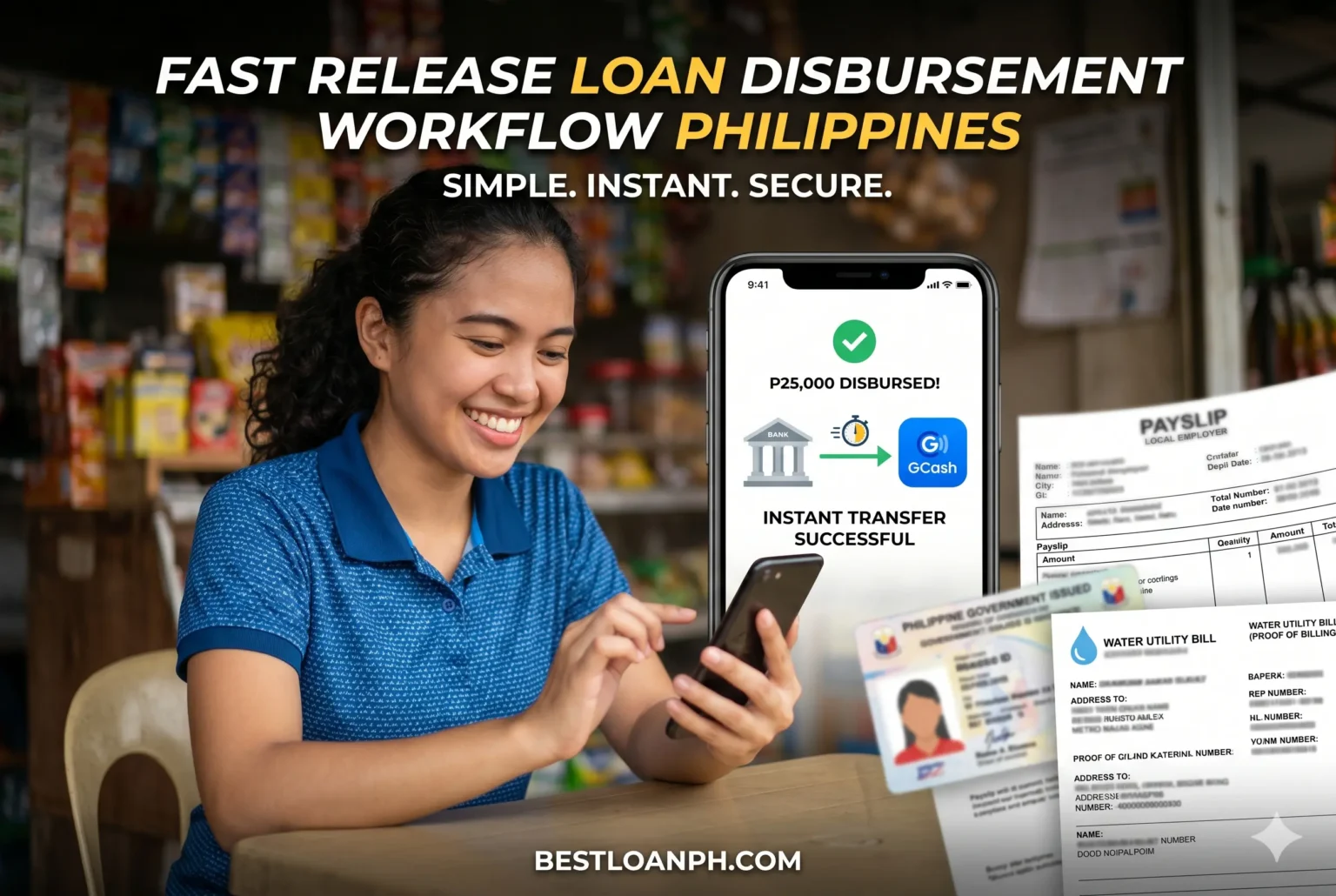
Why GCash Transfers Sometimes Get Delayed 📱
Many borrowers expect GCash transfers to behave like instant wallet-to-wallet transfers. Loan payouts work differently because lenders rely on integrated banking systems and API connections.
Common GCash Delay Causes
Wallet Verification Problems
A partially verified or newly upgraded GCash account may experience:
- Incoming transfer delays
- Temporary transfer restrictions
- Name mismatch issues
If the borrower name on the lending app differs from the wallet registration, automated reconciliation systems may reject or hold the payout.
Examples include:
- Missing middle name
- Nickname usage
- Different surname formatting
- Typographical errors
Even small inconsistencies can trigger transfer review.
GCash Maintenance Windows
GCash periodically performs:
- System maintenance
- Wallet upgrades
- Banking partner synchronization
- Security patching
During these periods:
- Transfers may queue
- Notifications may arrive late
- Balances may update slowly
Borrowers often mistake this for lender problems when the actual delay occurs inside the wallet infrastructure.
Instapay Dependency
Many lenders rely on Instapay for real-time transfers.
Instapay is designed for near-instant processing, but real-world timing still depends on:
- Participating institution uptime
- API responsiveness
- Transaction congestion
- Fraud review triggers
If Instapay connections fail temporarily, lenders may retry transfers later or reroute through other banking systems.
PESONet vs Instapay: Why Timing Differs
Borrowers rarely notice which payment rail their lender uses, but it dramatically affects release speed.
Instapay Transfers
Instapay is built for:
- Real-time small-value transfers
- Immediate wallet crediting
- 24/7 transfer capability
Most fast-release lending apps prefer Instapay because borrowers expect speed.
However, “real-time” does not guarantee zero delay. Some institutions still queue outbound requests internally.
PESONet Transfers
PESONet behaves more like scheduled banking settlement.
Transfers may:
- Process in batches
- Follow banking cutoffs
- Skip weekends and holidays
- Arrive later in the day
If a lender uses PESONet, approval at night may not result in immediate release.
Some borrowers think the app is delaying intentionally when the delay is actually tied to interbank settlement schedules.
Weekend and Holiday Delays Are Extremely Common
Many first-time borrowers assume digital lending operates fully 24/7. While applications can usually be submitted anytime, fund release may still depend on banking operations.
Weekend Release Behavior
Some lenders:
- Continue automated releases on weekends
- Reduce release frequency
- Pause manual verification teams
- Delay flagged applications until Monday
This explains why two borrowers using the same app may experience different timelines.
For example:
- Low-risk repeat borrowers may receive funds instantly
- New applicants requiring manual review may wait until office hours
Holiday Banking Interruptions
Philippine banking networks may experience:
- Slower settlement
- Reduced staffing
- Delayed reconciliation
This especially affects:
- PESONet transfers
- Traditional bank payouts
- Retry processing after failed transfers
Public holidays often create backlogs the following business day.
Borrowers applying during long weekends should prepare for slower processing even if the lender advertises “instant release.”
Realistic Timing Expectations for Different Borrowers
Not every applicant experiences the same speed.
Repeat Borrowers Usually Receive Faster Releases
Returning borrowers often move through systems faster because:
- Identity was previously verified
- Device history already exists
- Repayment behavior is known
- Fraud confidence scores improve
Some lenders even prioritize repeat users automatically.
This is why existing borrowers sometimes receive funds within minutes while new applicants wait several hours.
Freelancers and Gig Workers May Experience Extra Review
Borrowers without traditional payslips may trigger additional verification.
This does not automatically reduce approval chances, but it can slow release timing because lenders may:
- Review cash flow consistency
- Analyze alternative income patterns
- Evaluate wallet transaction history
Applicants using freelance income, online selling, ride-hailing earnings, or digital commissions may experience slightly longer processing windows.
If you are still preparing your documents, reviewing common utang online requirements beforehand can reduce verification delays.
What Happens When Wallet Transfers Fail?
A failed transfer does not always mean the money disappeared.
In many cases:
- The transfer is reversed automatically
- The lender retries disbursement
- The amount returns to the lender’s settlement account first
This reconciliation process can take time.
Signs of a Failed Transfer
Common borrower experiences include:
- SMS says “released” but no money appears
- Wallet notification never arrives
- App status changes repeatedly
- Transfer reference remains pending
These cases often involve:
- API timeout
- Wallet downtime
- Invalid account number
- Transfer interruption during maintenance
What Borrowers Should Do
Before contacting support:
- Check wallet maintenance announcements
- Verify the registered mobile number
- Confirm wallet verification status
- Review SMS transaction references
- Wait for retry windows
Many lenders automatically retry failed payouts within several hours.
However, repeatedly submitting new applications during pending disbursement can create duplicate account reviews and slow the process further.

Operational Reasons Some “Instant Approval” Ads Feel Misleading
The phrase “instant approval” is often confused with “instant disbursement.”
These are not identical.
Some lenders approve rapidly using AI-assisted scoring but still:
- Release manually
- Review flagged applications
- Queue high-risk borrowers
- Pause transfers during maintenance
This creates frustration when borrowers expect money within minutes.
Approval Speed vs Release Speed
| Process | Typical Timing |
| Identity verification | Seconds to minutes |
| Credit/risk scoring | Minutes |
| Manual fraud review | Hours |
| Wallet transfer | Minutes to several hours |
| Failed transfer reconciliation | Same day to multiple days |
The operational bottleneck is usually not approval itself—it is the payment infrastructure afterward.
How Borrowers Can Reduce Release Delays ✔️
Small preparation mistakes frequently cause payout slowdowns.
Use a Fully Verified Wallet
Fully verified accounts reduce:
- Transfer rejection risk
- Compliance review issues
- Wallet receiving limitations
This is especially important for GCash and Maya disbursements.
Match Your Account Details Exactly
Ensure:
- Full legal name matches IDs
- Wallet ownership matches application
- Mobile numbers are active
- Bank account names are accurate
Even formatting inconsistencies can trigger automated holds.
Avoid Applying During Maintenance Hours
Late-night processing windows sometimes overlap with:
- Wallet maintenance
- Banking synchronization
- Scheduled downtime
Applying during standard daytime hours often improves release consistency.
Keep Device Behavior Consistent
Modern lenders monitor:
- Device switching
- Suspicious IP changes
- Multiple account creation
- Repeated OTP requests
Frequent device changes may trigger fraud checks and delay payouts.
The Role of BSP Compliance and Fraud Prevention
Philippine digital lenders increasingly align with compliance expectations influenced by the Bangko Sentral ng Pilipinas and broader fintech risk controls.
Many platforms now implement:
- Enhanced KYC verification
- Anti-fraud scoring
- Transaction monitoring
- Device intelligence systems
These measures exist partly because of rising:
- Identity fraud
- Account takeovers
- Synthetic identity attempts
- Loan stacking behavior
Borrowers sometimes interpret verification delays negatively, but these systems also protect legitimate applicants from fraudulent activity.
Using safe practices and reviewing safe online borrowing tips can reduce avoidable issues before applying.
Why Overnight Waiting Happens After Approval 🌙
A common borrower concern is:
“My loan says approved, but I still have no money the next morning.”
This usually happens because:
- The release queue closed overnight
- Manual verification resumed next business day
- Wallet retries were pending
- Banking systems delayed settlement
Some lenders also perform end-of-day reconciliation before pushing transfers.
In practice, many “instant” loans still operate with operational windows behind the scenes.
Borrowers applying near midnight may realistically receive funds the following morning even if approval happens immediately.
Common Borrower Mistakes That Slow Disbursement
Several avoidable behaviors repeatedly cause payout delays in Philippine lending apps.
Entering Incorrect Wallet Numbers
A single digit error can:
- Reject transfers
- Trigger manual investigation
- Delay fund recovery
Always double-check wallet numbers before submission.
Using Another Person’s Wallet
Many lenders prohibit third-party disbursement.
If the wallet holder does not match the borrower:
- Transfers may fail
- Accounts may be flagged
- Future applications may face stricter reviews
Reapplying Multiple Times
Repeated applications within short periods may:
- Trigger fraud systems
- Create duplicate borrower profiles
- Slow verification queues
Ignoring Existing Repayment Issues
Borrowers with unresolved balances or prior disputes may experience slower releases.
If previous accounts involved restructuring or collection problems, lenders may increase manual review.
Those already dealing with online loan repayment problems may notice additional verification before new disbursements are approved.

Quick Answers Borrowers Often Need
How Fast Is Release After Approval?
For many lenders, funds arrive:
- Within minutes through Instapay
- Within several hours during high traffic
- Next banking day for PESONet or delayed reviews
Approval does not always mean immediate disbursement.
Do Weekends Affect Release Timing?
Yes. Some lenders reduce weekend operations or rely on banking systems with slower settlement schedules.
Can GCash Maintenance Delay Transfers?
Yes. Wallet maintenance may temporarily affect:
- Incoming transfers
- Balance updates
- Transaction confirmations
Why Does My App Say Released but No Money Arrived?
Possible causes include:
- Pending transfer retries
- Banking congestion
- Wallet synchronization delays
- Failed transfer reconciliation
Are Repeat Borrowers Faster?
Usually yes. Existing borrower histories reduce verification friction.
Why Realistic Expectations Matter More Than Marketing Claims
The Philippine digital lending market has become highly competitive. Because of this, many apps emphasize:
- “Instant approval”
- “5-minute loans”
- “Fast cash release”
But actual payout speed depends on:
- Identity verification quality
- Banking infrastructure
- Fraud prevention systems
- Wallet availability
- Transfer rail uptime
Borrowers who understand these mechanics experience less confusion and make better decisions during urgent financial situations.
If you are comparing lenders in the broader utang online philippines ecosystem, focus not only on approval speed but also on:
- Verified payout reliability
- Transparent processing communication
- Support responsiveness
- Stable transfer infrastructure
These factors matter more during real borrowing situations than aggressive marketing promises.
Conclusion
Fast release utang online services can genuinely deliver funds quickly, especially through Instapay-connected wallets like GCash and Maya. However, approval and disbursement are separate processes, and several operational factors influence how fast money actually arrives.
Wallet verification mismatches, banking cutoffs, fraud reviews, maintenance periods, weekends, and failed transfer retries are among the most common reasons borrowers experience delays. Many waiting periods are caused by payment infrastructure behavior rather than outright loan rejection.
Borrowers who prepare accurate information, use fully verified wallets, maintain consistent device activity, and apply during stable processing hours generally experience smoother releases. Responsible borrowing also means choosing lenders that communicate clearly about payout timing instead of relying solely on “instant cash” advertising.
Staying informed about how digital lending systems work helps borrowers avoid panic, reduce application errors, and make safer financial decisions when urgent funds are needed.
Last Updated: August 31, 2026 by The Nomad Finance Girl (Jaycee)
