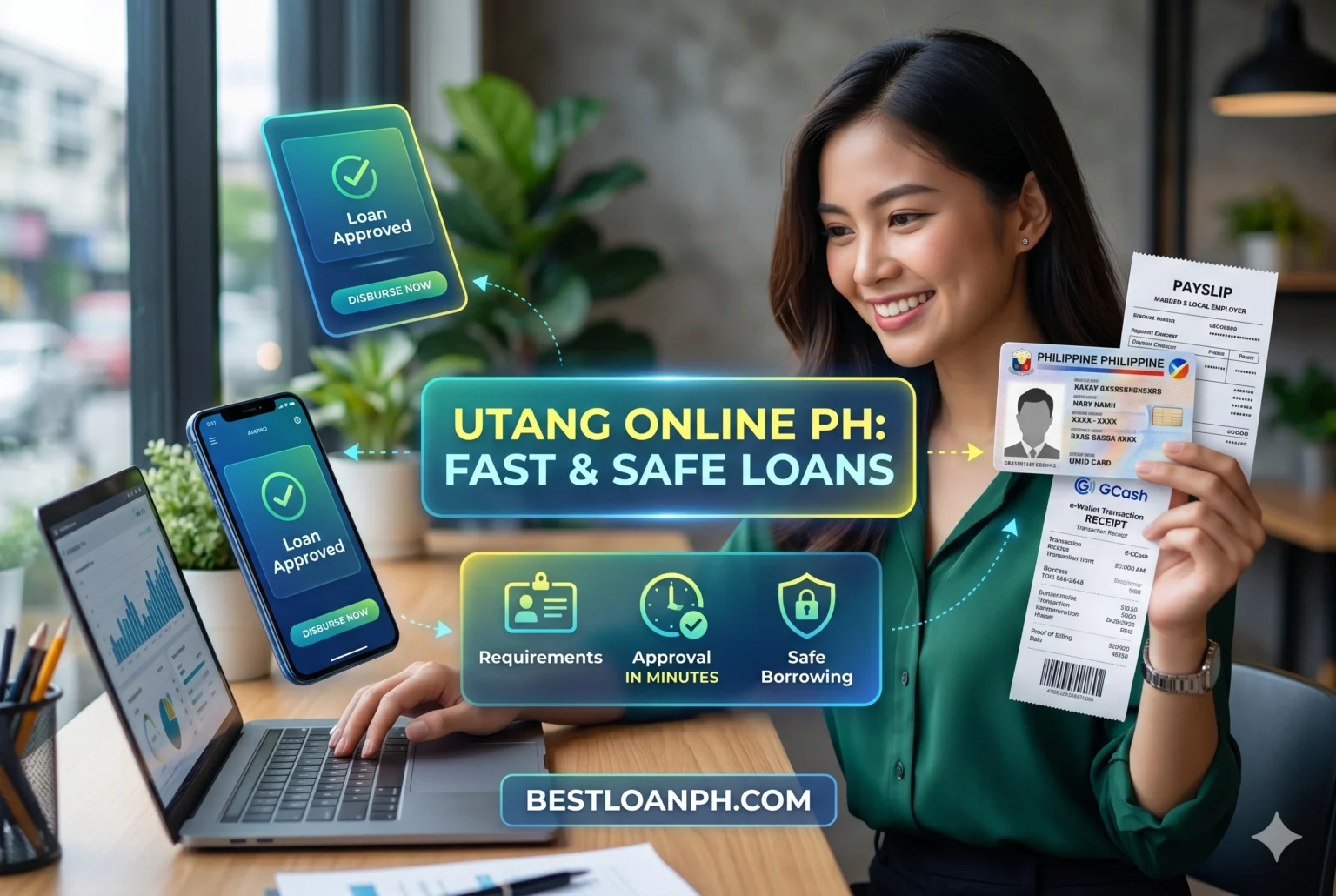
Online borrowing in the Philippines has evolved from simple SMS lending into a full digital finance ecosystem powered by e-wallets, AI-assisted verification, selfie authentication, and mobile-first onboarding. Today, “utang online” can refer to salary loans, emergency cash apps, BNPL financing, credit lines, and short-term installment borrowing processed entirely through smartphones.
For many Filipinos, online lending solves immediate cash flow gaps: delayed salaries, medical expenses, tuition shortages, transport emergencies, or urgent utility payments. But fast approval also comes with risks – including hidden fees, aggressive collection tactics, rejected applications, and unsafe lending apps.
This pillar page explains how online borrowing actually works in the Philippines today, how lenders evaluate applicants, what affects approval speed, why some users get denied repeatedly, and how to borrow more safely without falling into repayment traps.
Summary
Utang online in the Philippines usually involves app-based or web-based digital lending where borrowers submit IDs, selfie verification, mobile numbers, and income details for rapid evaluation. Most lenders use automated risk scoring, eKYC systems, OTP verification, and repayment behavior analysis before approving applications. Fast disbursement commonly happens through GCash, Maya, bank transfers, or Instapay-connected accounts. Approval speed depends on identity consistency, device trust signals, repayment history, and income stability rather than employment alone. Borrowers should verify if lenders are registered with the SEC, review repayment schedules carefully, and avoid borrowing beyond realistic repayment capacity to reduce risks of penalties, harassment complaints, or repeated rejections.
What “Utang Online” Means in the Philippine Lending Ecosystem 📱
Utang online refers to digitally processed borrowing where the entire loan workflow happens remotely through a mobile app or website. Unlike traditional bank loans that often require branch visits, online borrowing typically includes:
- Digital application forms
- Selfie and ID verification
- Mobile OTP authentication
- Automated approval systems
- E-wallet or bank disbursement
- App-based repayment reminders
Many modern lenders integrate with payment rails connected to:
- GCash
- Maya
- UnionBank
- Instapay-enabled banking systems
- PESONet transfer networks
The major difference between online lending and traditional borrowing is not just speed. The real distinction is how borrower risk gets evaluated.
Traditional banks heavily prioritize:
- Formal employment
- Payslips
- credit history
- long banking relationships
Digital lenders increasingly evaluate:
- Device behavior
- SIM registration consistency
- e-wallet activity
- repayment patterns
- selfie matching accuracy
- geolocation consistency
- transaction habits
This is why some borrowers with no formal employment still get approved, while salaried users occasionally get rejected.
How Online Loan Approval Actually Works Behind the Scenes
Many borrowers assume approval is random. In reality, most online lenders use layered automated scoring systems.
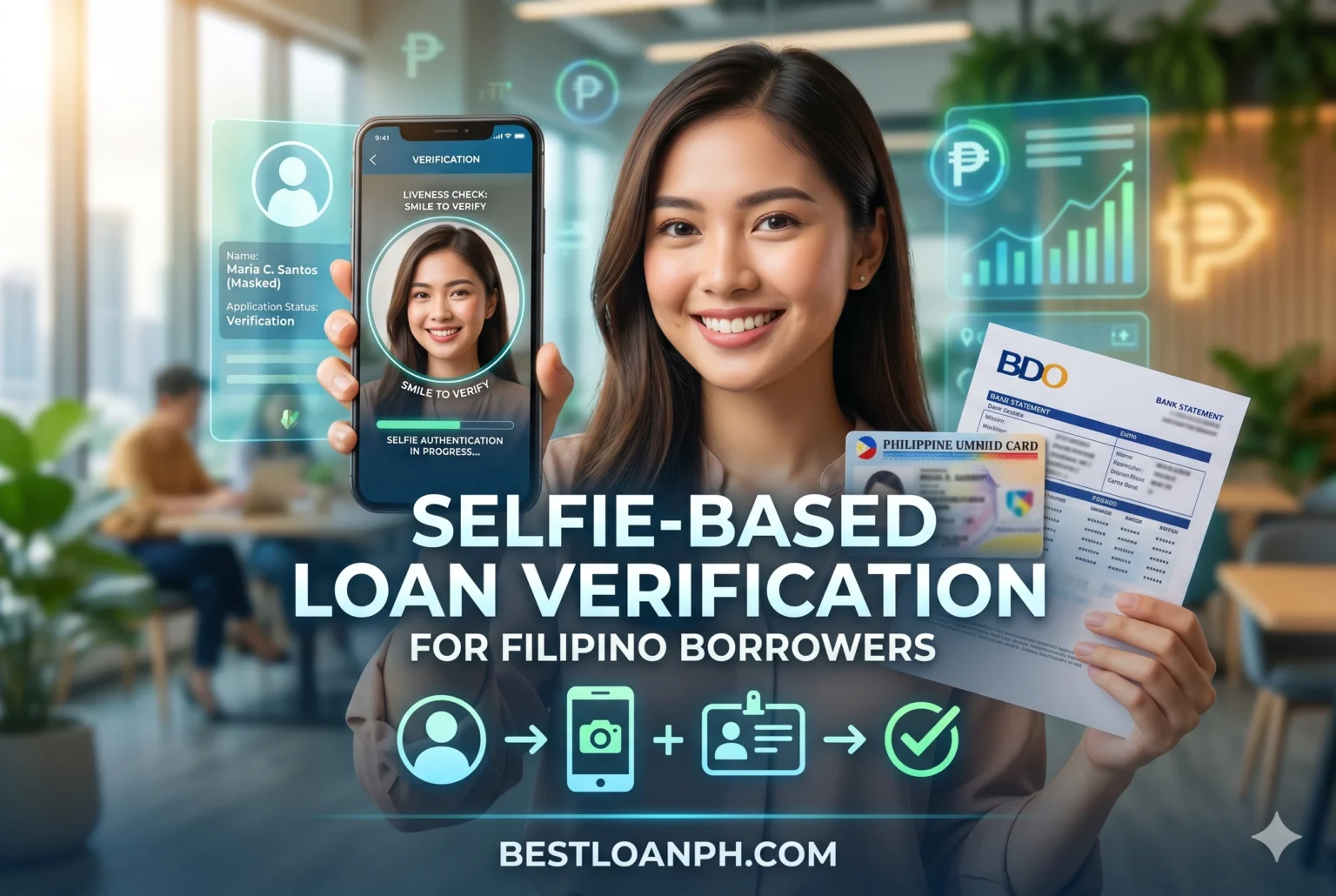
Identity Verification Comes First
Before approval calculations even begin, lenders must confirm the applicant is a real person and not using stolen credentials.
Modern Philippine lending apps often use:
- OCR ID scanning
- selfie matching systems
- liveness detection
- SIM verification
- device fingerprinting
- facial comparison checks
Some apps reject applications instantly if:
- The selfie is blurry
- Lighting is poor
- ID corners are cropped
- Names mismatch between ID and e-wallet
- Multiple accounts exist on one device
This explains why borrowers sometimes receive rejection notices within minutes.
Risk Scoring Happens in Seconds
After identity verification, automated systems estimate repayment risk.
Factors commonly analyzed include:
- Existing unpaid loans
- Previous repayment delays
- Mobile number age
- Device consistency
- Income stability
- e-wallet transaction behavior
- frequency of failed applications
- suspicious location changes
Some lenders also check records connected to:
- telecom behaviors
- alternative credit scoring systems
- internal borrower databases
- fraud-prevention consortiums
Borrowers repeatedly applying across many apps within a short period may trigger higher risk flags.
This is one reason behind pages discussing why online loan applications get rejected. Frequent simultaneous applications can look financially distressed to automated systems.
Common Requirements for Utang Online Applications
Requirements vary between lenders, but most Philippine digital lenders now follow fairly standardized onboarding practices.
Basic Requirements Most Apps Ask For
Typical requirements include:
- Government-issued ID
- Active mobile number
- Selfie verification
- e-wallet or bank account
- Proof of income or cash flow
- Philippine residency
- Age requirement (usually 18-65)
Accepted IDs commonly include:
- PhilSys National ID
- UMID
- Driver’s License
- Passport
- PRC ID
- Voter’s ID (some lenders)
- Postal ID
Borrowers searching for detailed utang online requirements usually want to know which documents truly matter most. In practice, identity consistency matters more than document quantity.
Income Proof Is Becoming More Flexible
Modern fintech lenders increasingly serve:
- freelancers
- riders
- online sellers
- gig workers
- commission earners
- self-employed applicants
Because of this, income verification methods have evolved.
Instead of only payslips, lenders may accept:
- GCash transaction history
- Maya wallet activity
- bank inflows
- online selling screenshots
- remittance patterns
- freelance platform payouts
This explains the growing interest around online loan approval without payslip searches. Some lenders now evaluate cash flow patterns rather than formal employment status alone.
Still, lack of stable repayment capacity can reduce approval odds or lower loan limits.
How Fast Online Loan Release Really Works ⚡
One of the biggest reasons people search for utang online is speed.
But “instant approval” and “instant release” are not always the same thing.
Typical Approval Timing Benchmarks
Common industry patterns in the Philippines today:
| Process Stage | Common Timing |
|---|---|
| Initial application | 5-20 minutes |
| Identity verification | Seconds to several hours |
| Automated scoring | Usually under 5 minutes |
| Manual review (if flagged) | Several hours to 1 business day |
| E-wallet disbursement | Minutes after approval |
| Bank transfer | Minutes to next banking cycle |
Some lenders advertise “5-minute approval,” but delays often happen because:
- selfie verification fails
- e-wallet names mismatch
- Instapay maintenance occurs
- high application volumes slow reviews
- borrower data triggers manual checking
Why GCash and Maya Speeds Matter
Disbursement speed often depends more on payout infrastructure than loan approval itself.
GCash and Maya integration has accelerated online lending dramatically because:
- users already completed wallet KYC
- accounts are mobile-first
- Instapay transfers process rapidly
- repayment reminders integrate easily
Borrowers researching how fast online loan release works should know that wallet verification status affects release reliability. Unverified or partially verified wallets may encounter delays or payout failures.

Why Some Borrowers Keep Getting Rejected
Repeated rejection frustrates many first-time borrowers.
But rejection does not always mean low income.
Frequent Rejection Triggers
Common reasons include:
- Inconsistent personal information
- Multiple active unpaid loans
- Low device trust score
- Fake or edited documents
- Poor-quality selfies
- High-risk application behavior
- Recently changed SIM card
- Repeated applications across many apps
Some lenders also internally downgrade users who:
- ignore repayment reminders
- uninstall apps after borrowing
- repeatedly cancel applications
- use rooted or modified Android devices
New Borrowers Face Different Challenges
Many utang online for first time borrowers assume approval is purely luck-based.
In reality, lenders often start new users with:
- lower loan amounts
- shorter repayment terms
- stricter verification
- limited re-loan eligibility
This is part of risk containment. Lenders prefer observing first repayment behavior before increasing credit exposure.
Borrowers who repay on time commonly unlock:
- larger limits
- faster approvals
- reduced verification friction
- longer installment options
Are Online Lenders Legal in the Philippines?
Not all online lenders operate under the same standards.
The Philippine online lending market includes:
- SEC-registered lending corporations
- financing companies
- bank-affiliated lenders
- BNPL providers
- illegal collection operations pretending to be lenders
The Securities and Exchange Commission has issued multiple advisories against abusive or unregistered online lending operations.
The Bangko Sentral ng Pilipinas also continues expanding oversight of digital financial ecosystems and e-money institutions.
Borrowers should verify:
- SEC registration
- transparent fees
- privacy disclosures
- repayment terms
- collection policies
Official references:
Warning Signs of Unsafe Lending Apps 🚨
Potential red flags include:
- Contact list harvesting without explanation
- Threatening collection language
- Hidden rollover fees
- No clear company information
- No SEC registration details
- Unrealistic guaranteed approvals
- Excessive permission requests
This is why borrowers actively search for safe online borrowing tips before downloading apps.
Apps demanding unnecessary access to:
- photo galleries
- unrelated contacts
- microphone data
- excessive device permissions
should be evaluated cautiously.
What Happens If You Miss Repayment?
Missed repayments create more than just penalties.
Modern lending systems now track behavioral repayment patterns aggressively.
Immediate Consequences
Possible outcomes include:
- Late payment fees
- Reduced future loan eligibility
- Collection reminders
- Escalating balance growth
- Temporary account restrictions
Some lenders begin reminder sequences before due dates through:
- SMS
- push notifications
- automated calls
Longer-Term Effects
Persistent delinquency can affect:
- future fintech approvals
- installment purchases
- digital credit access
- internal risk scores
Certain lenders may also coordinate with external collection agencies.
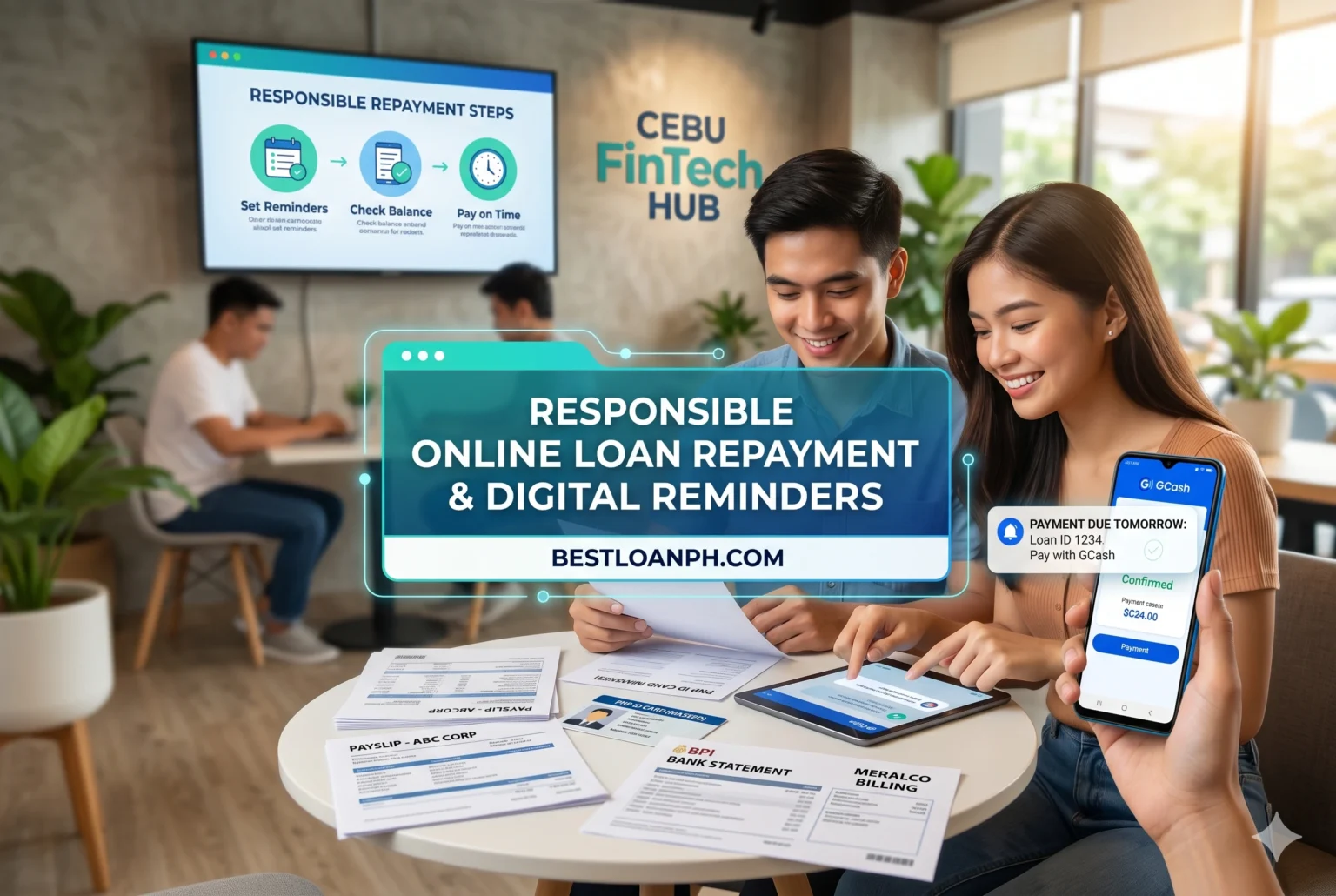
Borrowers concerned about online loan repayment problems should communicate early if repayment difficulties arise. Ignoring lenders entirely usually worsens collection escalation.
Importantly, legitimate lenders should still comply with privacy and fair collection expectations. Public shaming tactics and unauthorized contact harassment have been the subject of regulatory scrutiny in the Philippines.
Can Unemployed Users Apply for Online Loans?
Yes, some unemployed users still qualify – but approval depends heavily on alternative repayment evidence.
Lenders increasingly distinguish between:
- unemployed with no income
- temporarily unemployed with remittance support
- freelance earners
- students with side income
- gig workers
- online sellers
Alternative Income Signals Matter
Applicants may still qualify if they demonstrate:
- consistent wallet cash flow
- recurring remittances
- freelance payouts
- commission earnings
- household income support
- recurring bank deposits
Students sometimes qualify for smaller short-term lending products if:
- identity verification passes
- mobile history appears stable
- repayment amounts remain low-risk
However, extremely high debt relative to visible cash flow usually lowers approval probability significantly.
Real Borrower Situations That Drive Online Loan Demand
Utang online usage in the Philippines often reflects cash flow timing problems rather than long-term borrowing strategies.
Common examples include:
- Salary delayed before payday
- Hospital down payment needs
- Tuition shortages
- Emergency transportation expenses
- Utility disconnection prevention
- Inventory purchases for online selling
A borrower rejected by traditional banks may still seek digital lending because onboarding is less documentation-heavy.
But speed can psychologically encourage overborrowing.
Many users focus only on:
- approval speed
- cash release timing
- low initial payments
without calculating:
- total repayment
- rollover costs
- overlapping due dates
- daily interest accumulation
This is where responsible borrower preparation becomes critical.
Practical Ways to Improve Approval Odds Without Risky Shortcuts
Borrowers often search for hacks or “auto-approve” tricks. Most do not work consistently.
Instead, approval quality usually improves through cleaner financial behavior.
Improve Data Consistency
Ensure:
- ID names match e-wallet records
- mobile numbers stay active
- addresses remain consistent
- selfie images are clear
- bank details are accurate
Reduce Desperation Signals
Applying to many apps simultaneously can backfire.
Spacing applications carefully may help reduce automated risk flags.
Prepare Before Applying
Useful preparation steps:
- Verify your e-wallet fully
- Update expired IDs
- Stabilize mobile connectivity
- Clear incorrect application history
- Review repayment affordability honestly
Borrowers with stable repayment habits often gain access to better loan terms over time than users chasing maximum speed alone.
How Philippine Digital Lending Keeps Evolving
The online borrowing ecosystem continues changing rapidly.
Current fintech trends include:
- AI-assisted fraud detection
- facial liveness verification
- alternative credit scoring
- QR repayment systems
- embedded lending inside e-wallets
- digital installment ecosystems
- real-time transaction monitoring
The Philippines has also seen strong digital finance adoption growth driven by:
- mobile wallet expansion
- QR Ph ecosystem adoption
- rising online commerce participation
- gig economy income patterns
- branchless finance accessibility
As digital lending grows, borrowers increasingly need financial literacy around:
- repayment cycles
- digital privacy
- data permissions
- borrowing psychology
- risk accumulation
This is especially important because many users now manage multiple apps simultaneously.
Quick Answers Borrowers Often Need
How fast can online loans be released?
Some e-wallet disbursements arrive within minutes after approval, while manual reviews or bank transfer delays may take several hours or longer.
Which IDs are commonly accepted?
PhilSys National ID, UMID, passport, driver’s license, PRC ID, and other government-issued IDs are commonly accepted depending on the lender.
Are online lenders legal?
Many are legal and SEC-registered, but illegal operators also exist. Always verify company registration and lending disclosures.
Can freelancers qualify?
Yes. Many fintech lenders now evaluate digital cash flow and alternative income patterns rather than relying only on traditional payslips.
What increases rejection risk?
Repeated applications, inconsistent identity data, poor-quality selfies, unpaid debts, and suspicious device activity commonly reduce approval odds.
FAQ: Utang Online Philippines
Is online borrowing safer now than before?
Safety has improved because of stronger KYC systems, wallet verification, and increased regulatory attention. However, unsafe apps still exist, so borrowers should review company legitimacy carefully before applying.
Why do some lenders ask for selfie verification?
Selfie verification helps prevent identity fraud and account misuse. Many lenders use facial comparison systems to confirm the ID owner matches the applicant.
Do online lenders contact employers?
Some lenders may verify employment details for higher-risk applications, but many smaller digital loans rely primarily on digital identity and repayment scoring instead.
Can borrowers extend repayment dates?
Some lenders offer restructuring or extensions, but additional fees or interest may apply. Terms vary significantly between providers.
Are collection threats legal?
Harassment, public shaming, and abusive collection tactics have faced regulatory scrutiny in the Philippines. Borrowers who experience improper practices may report concerns to relevant authorities.
Conclusion
Utang online has become deeply integrated into the Philippine digital finance ecosystem. Fast approvals, e-wallet disbursements, and app-based onboarding now allow borrowers to access emergency funds far more quickly than traditional lending systems. But approval speed should never replace careful evaluation of repayment obligations, lender legitimacy, and borrowing capacity.
Responsible online borrowing starts with realistic expectations. Strong identity consistency, verified wallets, stable repayment behavior, and careful lender selection matter far more than chasing “instant approval” promises. Borrowers should review repayment schedules closely, avoid overlapping debts, and prioritize SEC-aware, transparent lending platforms that clearly explain fees and collection practices.
Used carefully, digital lending can help bridge temporary financial gaps. Used recklessly, it can create repayment pressure that grows faster than expected. The safest approach is informed borrowing backed by preparation, verification awareness, and realistic repayment planning.
Last Updated: August 24, 2026 by The Nomad Finance Girl (Jaycee)
