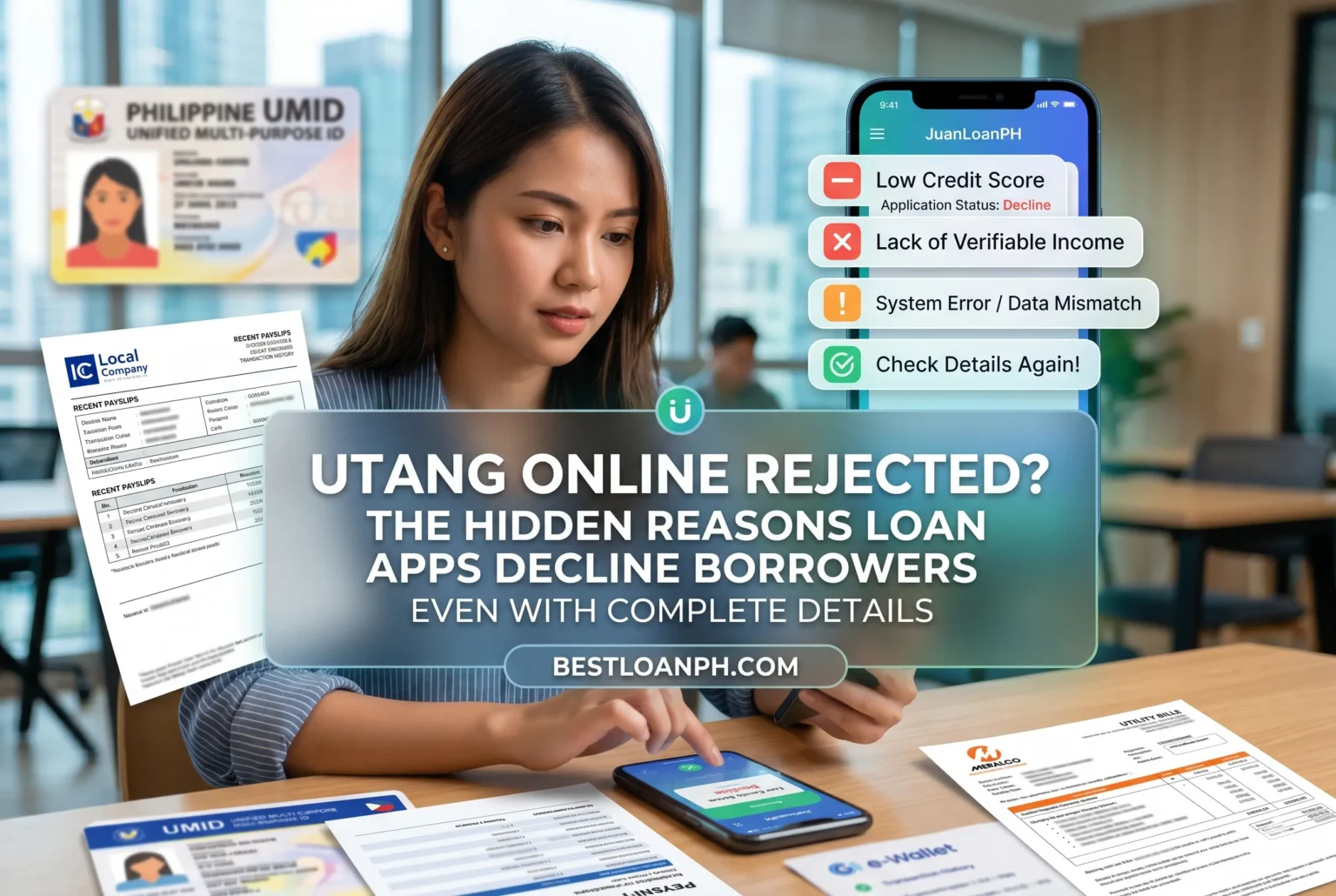
Getting rejected by a digital lending app after submitting complete documents frustrates many borrowers in the Philippines. Some applicants upload valid IDs, pass selfie verification, and provide working phone numbers – yet receive an instant decline within seconds. Meanwhile, friends with similar income levels get approved quickly.
The reason is that most modern utang online platforms no longer rely only on visible requirements. Approval systems now combine behavioral analytics, device fingerprinting, repayment databases, telco verification, fraud detection systems, and algorithmic risk scoring. Small borrower behaviors that seem harmless can silently lower trust scores before a human reviewer even checks the application.
Summary
An utang online rejected result often happens because lending platforms detect hidden risk signals beyond submitted documents. Philippine digital lenders commonly evaluate device history, SIM card stability, repayment databases, selfie consistency, multiple application behavior, OTP activity, income patterns, and fraud detection triggers. Even applicants with valid IDs may be declined if they rapidly apply to many apps, switch phones frequently, use borrowed devices, or show inconsistent digital behavior. Reapplying too quickly can worsen approval chances. Borrowers usually improve success rates by stabilizing personal data, limiting simultaneous applications, maintaining repayment discipline, and correcting verification inconsistencies before trying again.
Why Some Borrowers Get Rejected Instantly ⚠️
Many applicants assume rejection means their income is too low or their documents are incomplete. In reality, modern lending apps often make preliminary decisions within seconds using automated risk engines.
Instant Rejection Usually Happens Before Manual Review
When a borrower submits an application, the system immediately evaluates:
- Device identity
- SIM registration consistency
- IP address behavior
- GPS mismatch
- Prior borrowing records
- Fraud probability indicators
- Duplicate application activity
- Facial verification confidence
- OTP verification behavior
If the risk score crosses a certain threshold, the application may be automatically rejected before any staff member reviews the account manually.
This explains why some users receive rejection notices within one or two minutes.
Approval Is Based on “Trust Signals,” Not Just Documents
Most borrowers focus only on uploading:
- Government IDs
- Selfies
- Proof of income
- Employment details
However, digital lenders increasingly prioritize behavioral trust indicators.
Examples include:
- Whether the phone has been used for many rejected applications
- Whether the applicant frequently changes SIM cards
- Whether the device appears connected to suspicious accounts
- Whether the borrower submits inconsistent personal patterns
A valid ID alone does not guarantee trustworthiness inside a fintech risk model.
The Invisible Approval Logic Most Borrowers Never See
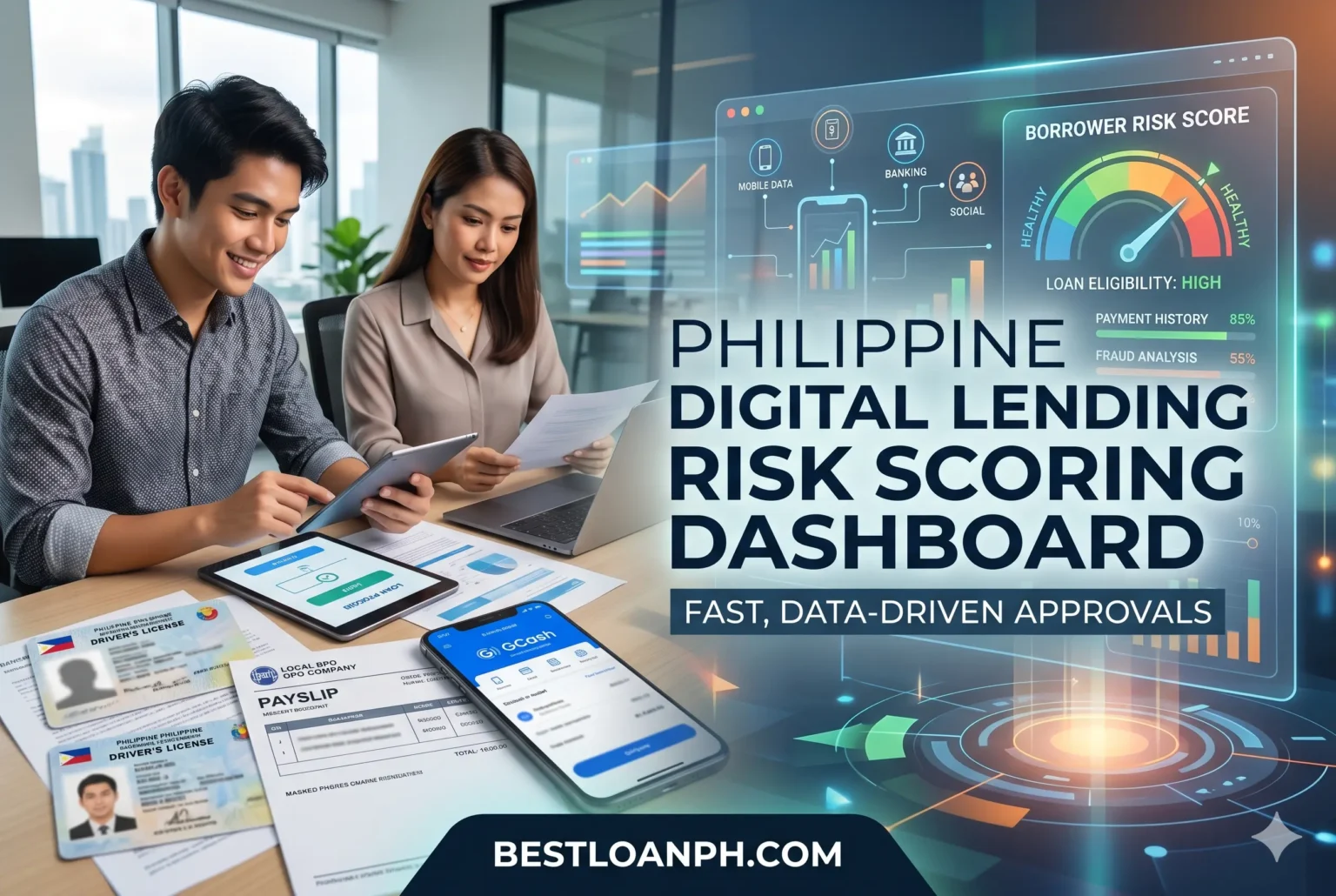
Many Philippine fintech apps use layered risk engines inspired by banking fraud-prevention systems. These systems analyze patterns instead of relying only on documents.
Device Fingerprinting Can Affect Approval
Digital lenders commonly use device fingerprinting technology.
This may track:
- Device model
- Browser behavior
- Installed app signals
- Screen resolution
- Device resets
- Emulator detection
- Rooted phone indicators
If multiple borrowers previously defaulted using the same device, future applications from that device may face stricter risk scoring.
This is one reason why applicants using borrowed phones sometimes get rejected despite having legitimate information.
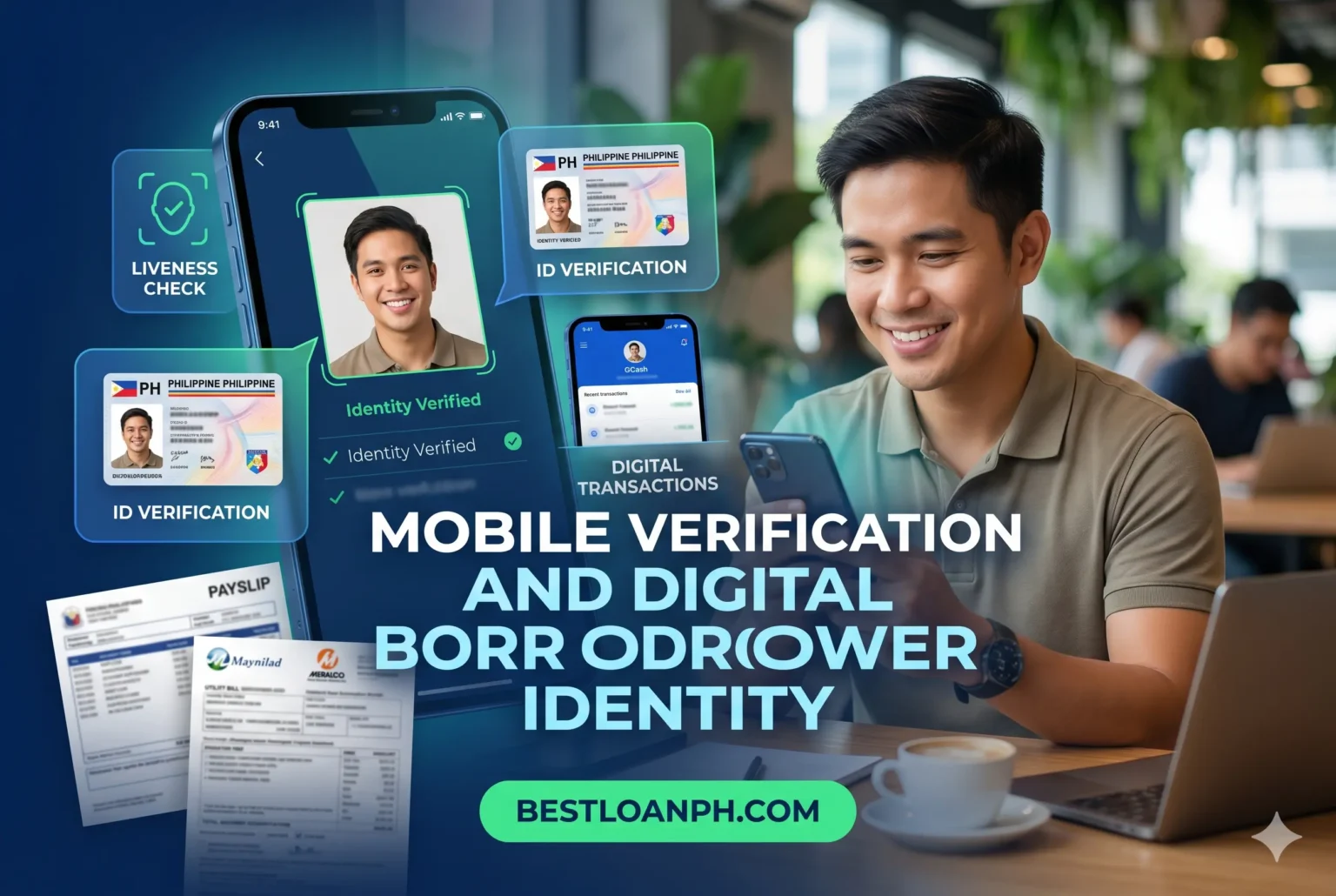
SIM Card and Telco Verification Matter More Than Borrowers Think
Philippine lenders increasingly rely on telco verification patterns because mobile identity consistency helps reduce fraud.
Risk systems may evaluate:
- SIM age
- Frequency of SIM changes
- OTP request patterns
- Number recycling risks
- Geographic inconsistency
Borrowers who frequently switch prepaid SIM cards sometimes trigger higher risk scores because the system interprets unstable mobile identity behavior as suspicious.
This becomes more important now that many fintech apps integrate stronger KYC verification flows aligned with Philippine digital identity trends.
Rapid Multi-App Applications Trigger Fraud Signals
One major hidden rejection trigger is applying to many apps within a short period.
Some borrowers install:
- 5 loan apps
- 10 loan apps
- Even 20 apps in one night
This behavior often resembles fraud or financial distress patterns.
Risk systems may interpret rapid applications as:
- Desperation borrowing
- Synthetic identity behavior
- Loan stacking attempts
- High default probability
Even if no application is approved, the pattern itself can lower approval odds across multiple platforms.
Why Your Friend Got Approved but You Did Not 🤔
This is one of the most common frustrations among borrowers.
Two people may:
- Earn similar income
- Work in similar jobs
- Use the same lending app
Yet receive completely different outcomes.
Risk Models Compare Thousands of Behavioral Signals
Approval systems do not rely on one factor.
Instead, they combine many variables:
- Borrowing history
- Phone stability
- Payment discipline
- Identity consistency
- Employment pattern
- Digital footprint reliability
- Existing obligations
- Prior rejections
A borrower with lower salary but strong behavioral consistency may receive approval faster than someone with higher income but unstable digital patterns.
Employment Type Influences Risk Interpretation
Different borrower categories are evaluated differently.
Employed Borrowers
Salaried workers usually benefit from:
- Predictable cash flow
- Stable payroll cycles
- Easier employer verification
However, issues arise when:
- Employer contact numbers fail verification
- Work emails appear invalid
- Payroll timing conflicts with declared salary dates
Freelancers and Gig Workers
Freelancers can still qualify, but many platforms analyze:
- Wallet cash flow stability
- Transaction frequency
- Consistent income deposits
Irregular income spikes sometimes increase uncertainty inside automated scoring systems.
Self-Employed Applicants
Business owners may face rejection if:
- Income declarations appear unrealistic
- Business documents mismatch
- Mobile wallet activity conflicts with stated revenue
This is why preparing accurate financial details matters as much as meeting basic utang online requirements.
Hidden Behaviors That Quietly Lower Approval Chances
Many rejection causes come from borrower actions that appear harmless.
Repeated Failed Selfie Verification Attempts
Facial verification systems now use liveness detection and AI-assisted fraud prevention.
Frequent failed selfie attempts can trigger:
- Identity mismatch suspicion
- Deepfake detection warnings
- Low-confidence verification flags
Poor lighting, blurry cameras, or excessive filters may reduce approval probability.
Using VPNs or Suspicious Networks
Some fintech systems flag:
- VPN usage
- Proxy connections
- Shared public Wi-Fi
- Foreign IP inconsistencies
This does not always cause rejection directly, but combined with other risk factors, it can increase fraud probability scores.
Copy-Pasted Information Across Multiple Apps
Borrowers sometimes reuse identical formatting, references, or income descriptions across many loan apps.
Automated systems may detect:
- Mass-application patterns
- Template-based identity submissions
- Coordinated fraud indicators
Minor inconsistencies become more noticeable when multiple applications occur rapidly.
Can Borrowing History Affect Approval?
Yes – significantly.
Many lenders use internal repayment databases or third-party behavioral scoring systems.
Late Payments Leave Behavioral Footprints
Even if borrowers eventually repay, patterns such as:
- Repeated due-date delays
- Partial repayments
- Extension dependence
- Collection escalation
may influence future approvals.
Some lenders also evaluate:
- Installment consistency
- Repayment timing discipline
- Frequency of rollover behavior
This becomes especially relevant for users experiencing <a href=”/online-loan-repayment-problems”>online loan repayment problems</a>.
Small Loans Still Matter
Borrowers often assume only large unpaid balances affect approvals.
In practice, even small overdue digital loans can:
- Lower internal trust scores
- Trigger stricter verification
- Reduce approved loan amounts
- Shorten repayment terms
Some apps share repayment behavior through ecosystem partnerships or external scoring providers.
Why Deleting Loan Apps Usually Does Not Reset Your Risk Profile 📱
A common myth among borrowers is that uninstalling a lending app erases rejection history.
In most cases, it does not.
Risk Systems Track More Than Installed Apps
Platforms may still recognize:
- Device fingerprints
- Mobile numbers
- ID combinations
- Email addresses
- Facial biometrics
- Prior application records
Deleting the app rarely removes backend risk data.
Factory Resetting Phones Is Not a Reliable Solution
Some borrowers attempt:
- Phone resets
- New email accounts
- Fresh installations
Modern fraud detection systems can still detect overlapping patterns.
Frequent resets themselves may even appear suspicious because fraud rings commonly use similar tactics.
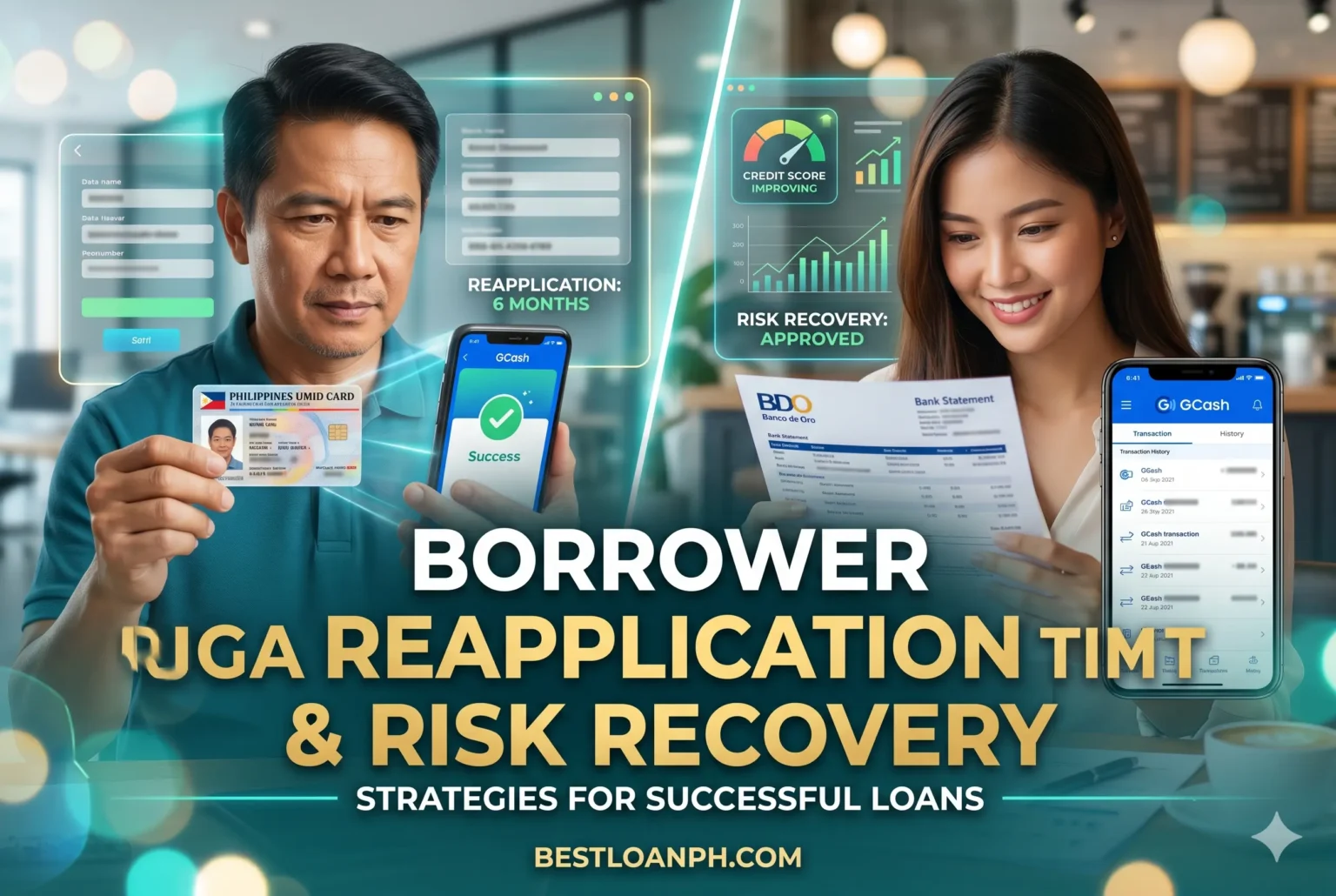
How Long Should You Wait Before Reapplying?
Reapplying immediately after rejection is often a mistake.
Rapid Reapplication Can Lower Approval Odds Further
When borrowers submit repeated applications within hours, systems may interpret this as:
- Financial desperation
- Automated retry behavior
- High-risk borrowing urgency
Many lenders temporarily lower trust scores after consecutive failed attempts.
Better Reapplication Timing Patterns
Borrowers usually improve approval chances by waiting:
- Several days
- One billing cycle
- After correcting verification inconsistencies
Before reapplying, improve:
- Contact stability
- Income consistency
- Mobile verification reliability
- Repayment standing
The goal is to change the risk profile meaningfully – not simply resubmit identical information.
The Role of Fraud Detection Systems in Modern Loan Apps
Fraud prevention is now central to Philippine digital lending operations.
BSP Compliance Pressures Increased Verification Standards
Many lenders strengthened KYC systems because regulators increasingly expect:
- Better identity verification
- Anti-fraud safeguards
- Consumer protection measures
- Data privacy compliance
Official standards from the Bangko Sentral ng Pilipinas and the National Privacy Commission influence how fintech apps manage borrower verification and fraud monitoring.
AI-Assisted Risk Engines Continuously Learn
Modern systems can adapt based on:
- Default trends
- Fraud patterns
- Geographic anomalies
- Borrower repayment behavior
This means approval logic evolves continuously.
A behavior that previously passed verification may later become higher risk if fraud patterns increase within that category.
Practical Recovery Steps After an Utang Online Rejected Result ✅
Borrowers often improve approval chances when they focus on stability instead of speed.
Stabilize Your Digital Identity
Before applying again:
- Keep one primary SIM active
- Avoid switching devices repeatedly
- Use consistent personal details
- Maintain accessible contact numbers
Stable digital identity patterns improve lender confidence.
Improve Financial Consistency Signals
Helpful improvements may include:
- Maintaining wallet balances
- Avoiding bounced repayments
- Reducing overdue balances
- Using legitimate income documentation
Apps increasingly analyze behavioral consistency rather than relying only on declared salary figures.
Limit Simultaneous Applications
Applying strategically works better than mass submissions.
Instead of applying everywhere:
- Choose legitimate licensed lenders
- Prepare accurate details carefully
- Verify income consistency
- Submit only when ready
Borrowers searching for safe online borrowing tips should prioritize quality applications over quantity.
Use Your Own Device Whenever Possible
Using a personal phone reduces:
- Shared device risk
- Cross-account suspicion
- Fraud association overlap
Borrowed devices can inherit hidden risk histories from previous users.
Common Real-World Rejection Patterns in Philippine Lending Apps
Applicants With Valid IDs Still Get Rejected
This often happens because:
- Device trust is low
- SIM behavior appears unstable
- Repayment history shows prior issues
- Multiple applications occurred recently
The ID itself is not always the problem.
Borrowers Using Shared Phones Face Extra Verification Challenges
Shared devices can:
- Link unrelated borrower profiles
- Trigger duplicate identity checks
- Raise fraud probability scores
This is common in households where several family members use one smartphone.
Frequent SIM Changes Can Hurt Trust Scores
Prepaid SIM switching may:
- Break identity continuity
- Trigger telco inconsistency flags
- Increase OTP verification uncertainty
Stable contact behavior matters more than many borrowers realize.
What Borrowers Should Focus on Instead of Chasing Fast Approval
Many rejected applicants become trapped in a cycle of:
- Reapplying constantly
- Installing more apps
- Changing devices
- Using different numbers
This often worsens risk scoring.
A stronger approach is to:
- Build repayment discipline
- Stabilize digital identity
- Reduce overdue obligations
- Apply selectively
- Use accurate information consistently
Borrowers exploring utang online philippines options should treat approval systems similarly to long-term trust building rather than one-time document submission.
Frequently Asked Questions
Why was my utang online application rejected instantly?
Instant rejection usually happens when automated risk systems detect high-risk patterns before manual review. Common triggers include multiple recent applications, device trust problems, SIM instability, inconsistent identity data, or poor repayment history.
Can previous online loans affect new applications?
Yes. Many lenders evaluate repayment behavior, overdue records, restructuring history, and payment discipline using internal databases or ecosystem-based scoring systems.
Does deleting loan apps improve approval chances?
Usually no. Most lending platforms track borrower behavior using device fingerprints, mobile numbers, IDs, and backend risk records rather than installed apps alone.
How long should I wait before applying again?
Waiting several days or longer is often better than immediate reapplication. Use the time to stabilize financial details, reduce overdue balances, and correct inconsistencies.
Can using another person’s phone cause rejection?
Yes. Shared devices may inherit risk associations from previous users, especially if the device was linked to defaults, fraud flags, or multiple rejected applications.
Why do freelancers get rejected more often?
Freelancers are not automatically rejected, but irregular income patterns sometimes create uncertainty inside automated scoring systems. Consistent wallet activity and realistic income declarations help improve trust.
Conclusion
An utang online rejected result does not always mean a borrower lacks income or valid documents. Modern Philippine lending apps increasingly rely on behavioral analytics, fraud detection systems, digital identity consistency, and repayment signals that operate behind the scenes.
Borrowers improve approval chances by focusing on stability instead of rushing applications. Consistent mobile identity, responsible repayment behavior, accurate information, and selective applications usually matter more than repeatedly installing new loan apps.
Digital lending systems continue evolving alongside stronger fraud prevention and verification practices. Borrowers who approach online loans carefully, maintain realistic financial habits, and avoid high-risk application behavior generally build stronger long-term approval potential.
Last Updated: August 28, 2026 by The Nomad Finance Girl (Jaycee)
