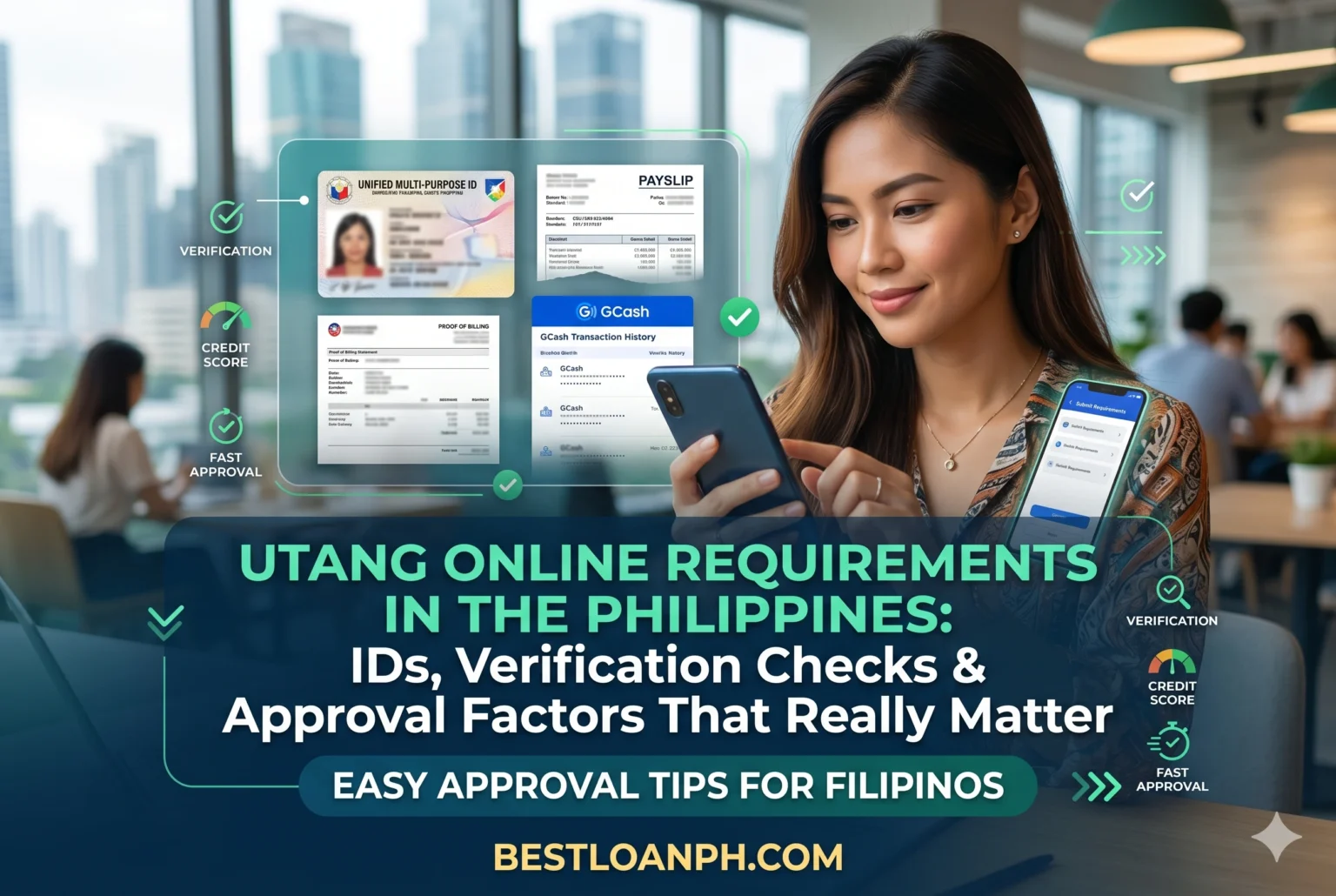
Applying for digital loans in the Philippines is no longer limited to uploading one valid ID and waiting for approval. Modern lenders now evaluate multiple trust signals, including device behavior, mobile number stability, selfie verification quality, e-wallet consistency, and repayment confidence indicators. Many borrowers get delayed or rejected because their application data looks risky or incomplete-even when they have income.
This article explains the most common utang online requirements, why lenders request them, how fintech verification systems work, and what borrowers can do to improve approval quality before applying. It also covers accepted IDs, KYC validation, selfie verification logic, OTP systems, employment checks, and the growing role of mobile identity consistency in Philippine digital lending.
Summary
Utang online requirements in the Philippines typically include a valid government ID, active mobile number, selfie verification, stable contact details, and proof of income or repayment capacity. Many lenders also analyze behavioral trust indicators such as SIM age, device consistency, e-wallet ownership, and document authenticity during eKYC screening. Borrowers are commonly rejected for blurry uploads, edited IDs, mismatched personal details, or unstable mobile activity. Improving application quality, using accurate information, and maintaining consistent digital identity records can significantly increase approval speed and reduce verification failures across lending apps.
Why Online Loan Apps Now Require More Than Just an ID 📱
Several years ago, many Philippine lending apps approved borrowers using minimal checks. That changed rapidly after rising fraud cases, fake identity submissions, account takeovers, and unpaid digital loans.
Today, most SEC-registered lenders and fintech apps operate with stricter onboarding systems influenced by:
- BSP-aligned digital identity expectations
- eKYC fraud prevention practices
- AI-assisted risk scoring
- Device fingerprinting systems
- Facial recognition verification
- SMS and OTP authentication layers
- Alternative credit behavior analysis
Modern loan platforms now try to answer one central question:
“Does this applicant appear to be a real, reachable, and financially reliable borrower?”
That is why many approval decisions are influenced not only by uploaded documents, but also by behavioral consistency.
Borrowers searching for utang online philippines options often assume income alone guarantees approval. In reality, verification quality frequently matters just as much as salary level.
The Most Common Utang Online Requirements
Valid Government-Issued IDs
The first layer of verification is identity confirmation.
Most Philippine lending apps commonly accept:
| Accepted ID | Common Usage |
|---|---|
| PhilSys ID | National digital identity validation |
| UMID | SSS/GSIS member verification |
| TIN ID | Taxpayer identification |
| Driver’s License | Address and identity validation |
| Passport | High-trust identity document |
| PRC ID | Professional identity verification |
| Postal ID | Supporting address confirmation |
| Voter’s ID (limited acceptance) | Supplemental verification |
Entities like PhilSys ID, UMID, and TIN are now heavily prioritized because they support more reliable database matching.
Some apps may reject:
- Expired IDs
- Cropped images
- Edited documents
- Screenshots instead of actual photos
- IDs with glare or shadow obstruction
Why Blurry ID Uploads Trigger Rejections
Loan apps increasingly use OCR (Optical Character Recognition) systems.
These systems automatically scan:
- Name
- Birthdate
- Address
- ID number
- Expiration date
If the text cannot be read accurately, the application may fail automated verification instantly.
Common rejection triggers include:
- Camera shake
- Low lighting
- Plastic cover reflections
- Folded IDs
- Excessive image compression
- Social media filtered photos
Many borrowers later search for why online loan applications get rejected without realizing the issue started with document readability.
Selfie Verification Is Now a Major Approval Factor 🔍
Why Lending Apps Require Selfie Checks
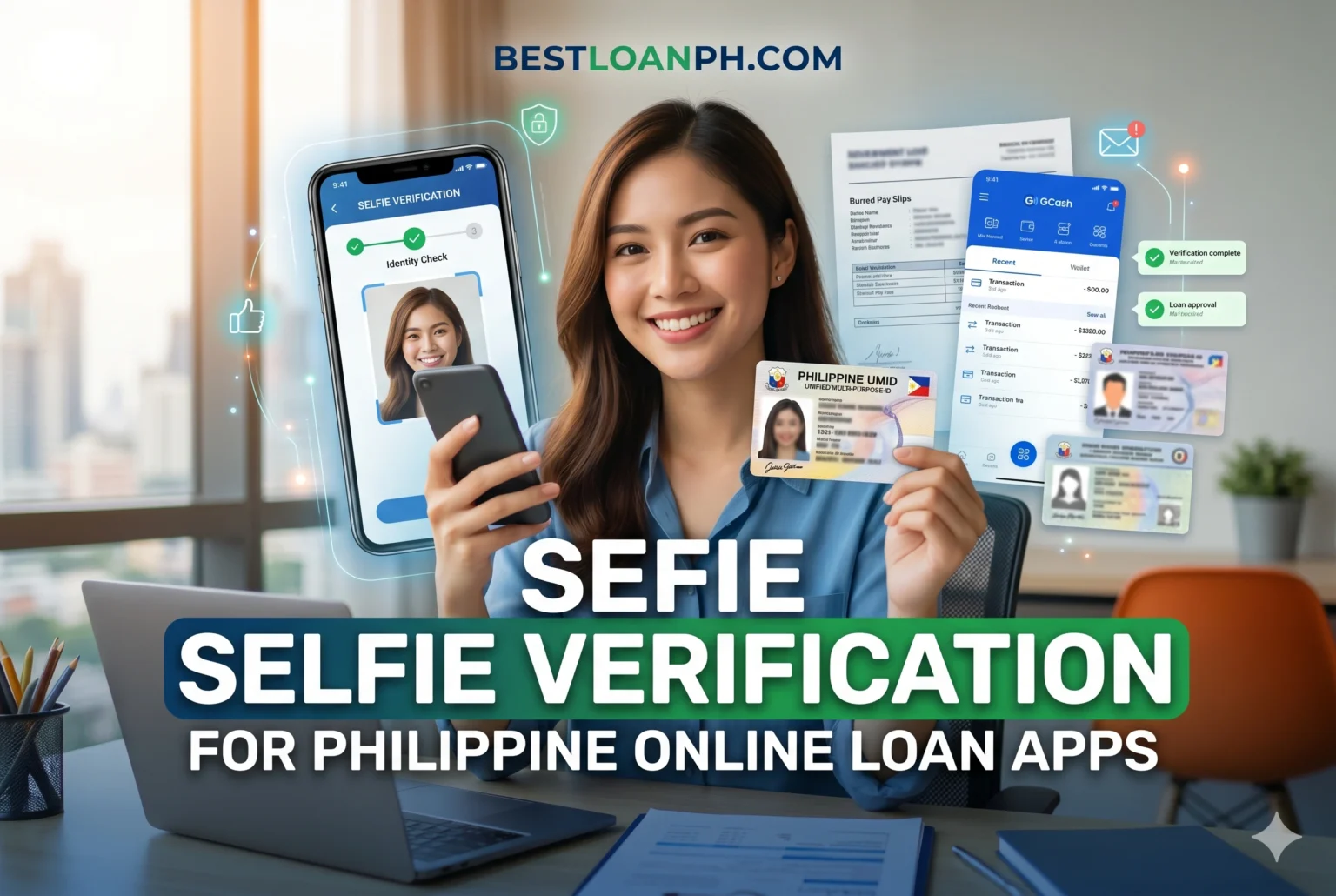
Selfie verification APIs are now standard in Philippine fintech onboarding.
These systems compare:
- Facial landmarks
- Eye spacing
- Skin texture
- Live motion detection
- Face-to-ID similarity
The goal is to reduce:
- Identity theft
- Fake account creation
- Deepfake fraud
- Stolen document abuse
Many lenders now reject static or manipulated images automatically.
Common Selfie Verification Mistakes
Borrowers frequently fail selfie checks because of:
- Poor lighting
- Wearing sunglasses
- Heavy face filters
- Side-angle photos
- Old ID photos with major appearance differences
- Multiple people visible in frame
Some apps also use liveness detection prompts such as:
- Blink verification
- Head turning
- Smile prompts
Failure during these steps may trigger manual review delays.
Mobile Number Stability Matters More Than Many Borrowers Realize
Newly Registered SIMs Can Reduce Trust Scores
A common pattern observed in digital lending is that very new mobile numbers sometimes receive additional scrutiny.
Why?
Fraud operations often use:
- Disposable SIM cards
- Temporary devices
- Short-lived contact numbers
Because of this, some fintech systems interpret:
- Newly activated SIMs
- Frequently changed numbers
- Inactive messaging patterns
as potential risk signals.
This does not automatically mean rejection. However, older and consistently active numbers often appear more trustworthy in automated scoring systems.
OTP Verification Systems and Behavioral Signals
Most apps use SMS verification systems for:
- Account confirmation
- Device linking
- Loan signing authentication
- Repayment reminders
Repeated OTP failures may happen because of:
- Weak signal reception
- Spam filtering
- Incorrect SIM registration details
- Dual-SIM conflicts
- VoIP-based numbers
Apps also evaluate whether:
- The SIM matches the applicant’s name
- The device has suspicious activity patterns
- Multiple accounts exist on one device
Device Consistency and Fraud Detection Systems
Many borrowers do not realize that online lenders analyze device-level trust indicators.
What Device Fingerprinting Usually Detects
Some fintech systems monitor:
- Device model
- Browser behavior
- App installation patterns
- IP consistency
- GPS stability
- Emulator usage
- Rooted or jailbroken phones
This is commonly called device fingerprinting.
Its purpose is fraud prevention rather than invasion of privacy.
Why Shared Devices Sometimes Cause Problems
If multiple rejected accounts previously used the same device, future applications may undergo stricter review.
This can affect:
- Family-shared phones
- Public WiFi applications
- Internet café devices
- Recycled second-hand phones
Borrowers using modified Android systems or cloned apps may also appear higher-risk to automated lending systems.
Employment and Income Verification Beyond Payslips 💼
Is Payslip Mandatory for Utang Online?
Not always.
Some apps approve:
- Freelancers
- Online sellers
- Gig workers
- Riders
- Small business owners
- Self-employed applicants
using alternative income indicators.
This is why some borrowers successfully qualify for online loan approval without payslip programs.
Alternative Income Proof Often Accepted
Depending on the lender, alternatives may include:
- Bank transaction history
- GCash activity
- Maya wallet records
- Remittance receipts
- Commission screenshots
- Client invoices
- Online platform earnings
- Business permits
- Delivery platform payout records
Digital lenders increasingly analyze cash flow consistency instead of requiring traditional employment alone.
Repayment Confidence Scoring Explained
Modern fintech lenders often estimate:
“How likely is this borrower to repay consistently?”
This can involve:
- Income stability
- Payment history
- Contact reliability
- Existing debt behavior
- App engagement patterns
- Frequency of mobile usage
- Financial account consistency
This process is often called repayment confidence scoring.
Borrowers with moderate income but highly stable records sometimes outperform applicants with larger income but inconsistent identity signals.
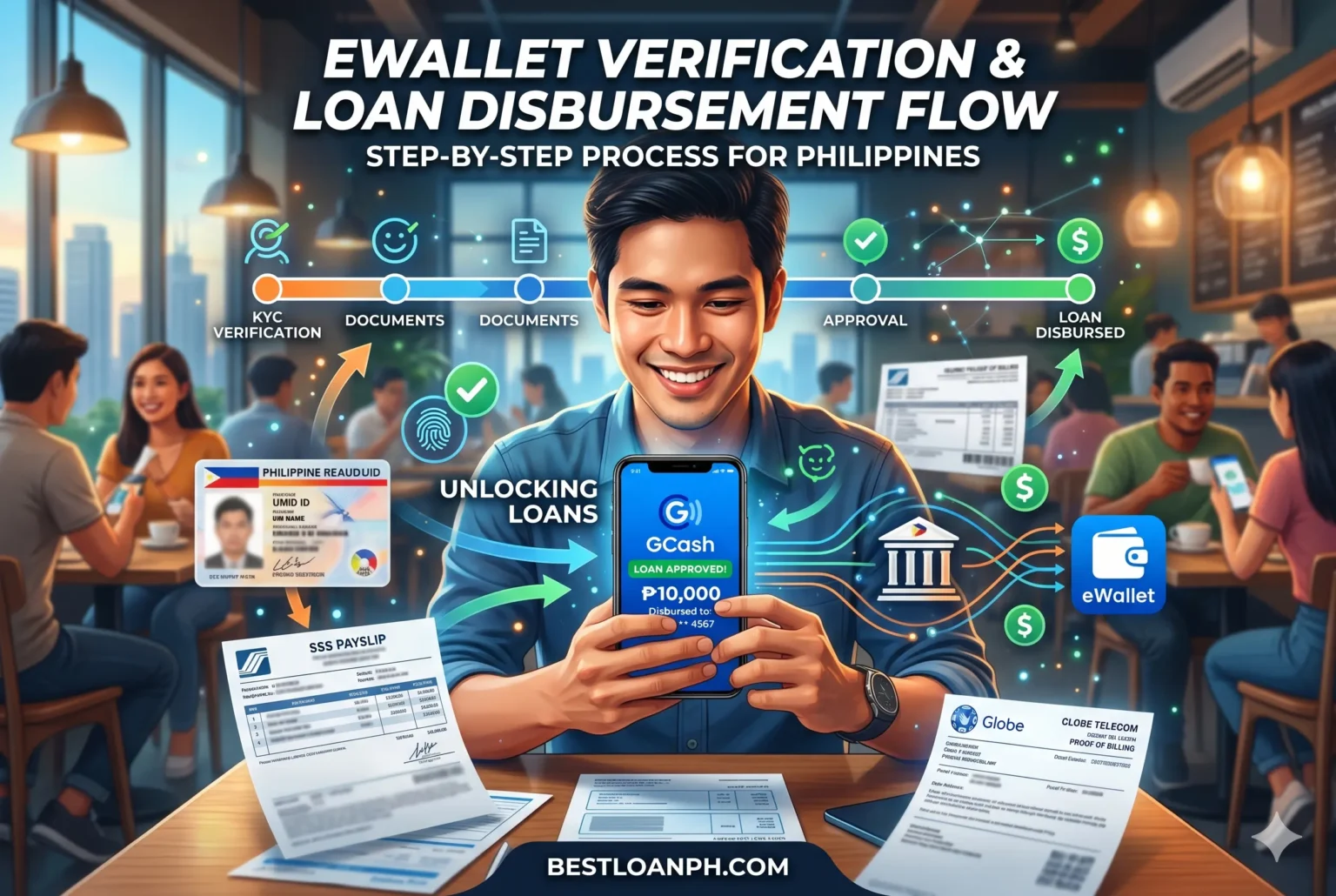
Why E-Wallet Accounts Affect Approval Decisions
GCash and Maya Verification Patterns
Platforms like GCash and Maya are now deeply integrated into Philippine digital lending ecosystems.
Lenders may evaluate:
- Account verification level
- Matching account name
- Wallet activity consistency
- Cash-in patterns
- Linked bank behavior
If the e-wallet name does not match the borrower’s application data, approval delays may occur.
Common E-Wallet Problems That Trigger Manual Review
Examples include:
- Borrower nickname differs from legal ID
- Recently created wallet
- Inactive transaction history
- Suspicious transfer patterns
- Failed wallet verification
Some disbursement failures also happen because borrowers submit:
- Wrong mobile numbers
- Closed wallets
- Unverified accounts
Address Verification Problems Many Applicants Ignore 🏠
Incomplete Address Details Can Delay Approval
Many borrowers type short or vague addresses like:
- “Near market”
- “Barangay only”
- “Blk 2”
This creates verification problems.
Lenders increasingly require:
- House number
- Street name
- Barangay
- City or municipality
- Province
- ZIP code
Incomplete addresses reduce contact reliability and recovery confidence.
Why Delivery-Like Precision Matters
Digital lenders now rely on geolocation matching and address validation systems similar to logistics platforms.
If:
- GPS location differs greatly from declared city
- Address format looks inconsistent
- Multiple borrowers use one address unusually often
manual review may happen.
Edited Documents Are Easier to Detect Than Many Borrowers Think 🚫
Fintech fraud detection tools have improved significantly.
Apps may detect:
- Photoshop edits
- Metadata inconsistencies
- Artificial sharpening
- Duplicate documents
- Screen-captured IDs
- Cropped edges
Some systems compare:
- Font spacing
- Image layers
- Compression signatures
- Lighting inconsistencies
Borrowers attempting to modify income details or ID information frequently receive permanent bans from certain platforms.
Using authentic documents is always safer than attempting “corrections” through editing apps.
How Long Approval Takes Based on Verification Quality ⏱️
Fast Approvals Usually Share Similar Patterns
Applications are commonly processed faster when:
- Documents are clear
- IDs are readable
- Selfie checks pass instantly
- Mobile number is stable
- E-wallet details match
- Contact information is consistent
Some automated approvals happen within minutes because no manual intervention becomes necessary.
What Usually Causes Delays
Manual reviews often occur when:
- OCR cannot read documents
- Selfie mismatch confidence is low
- Address appears incomplete
- Device signals look suspicious
- Employer details cannot be validated
- Uploaded screenshots appear altered
Verification bottlenecks-not necessarily low income-are often the real reason for slow approvals.
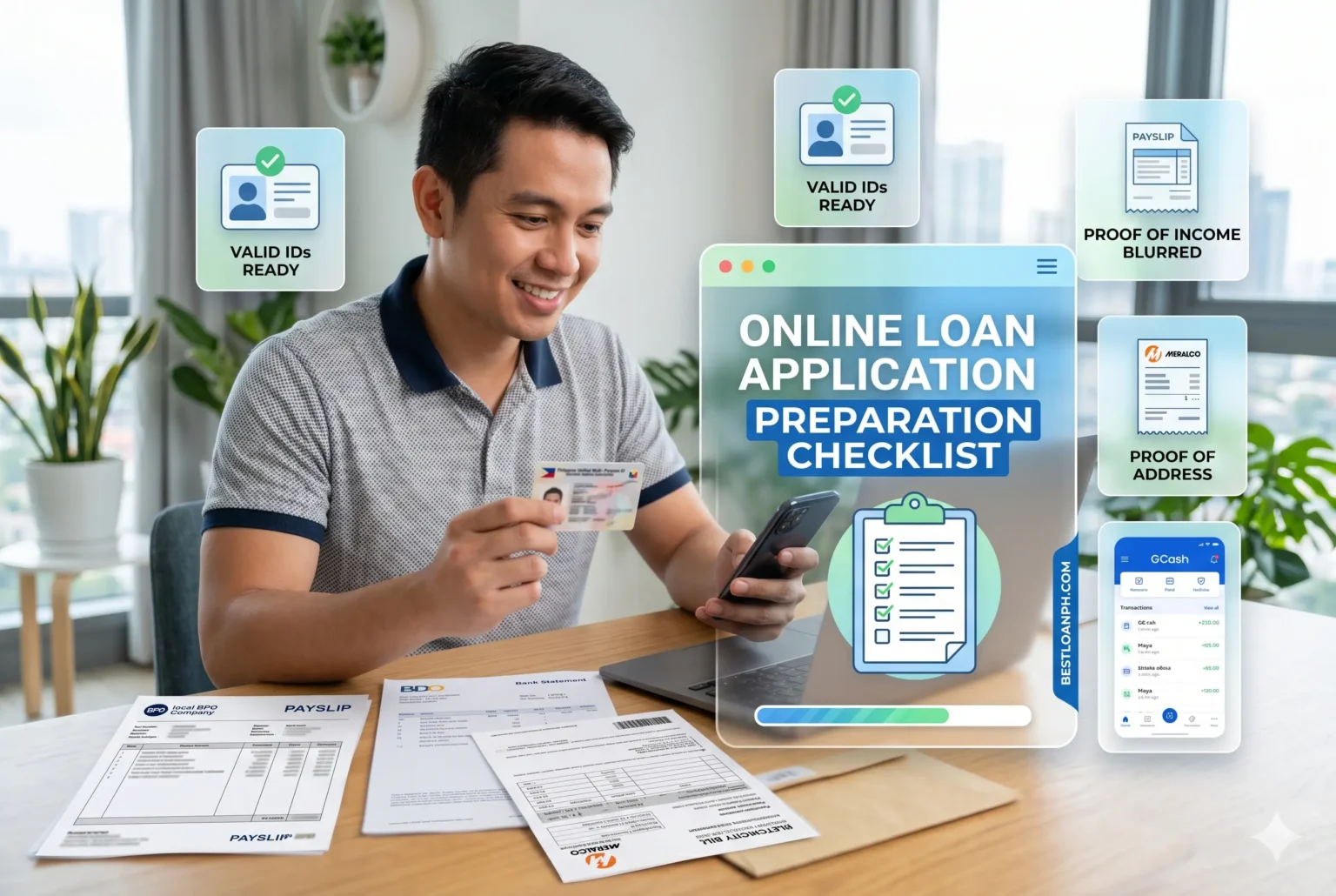
Practical Checklist Before Submitting an Online Loan Application ✔️
Identity Preparation Checklist
Before applying:
- Use a valid and non-expired ID
- Clean the camera lens
- Avoid dark lighting
- Remove filters and beauty effects
- Match your legal name exactly
- Ensure birthdate consistency
Device and Mobile Preparation
Also:
- Use your primary mobile number
- Avoid switching SIM cards frequently
- Turn off VPN services
- Use stable internet
- Avoid applying from modified devices
Financial Verification Preparation
If income proof is requested:
- Prepare recent transaction history
- Use matching account names
- Organize screenshots clearly
- Avoid edited files
Borrowers who prepare these details beforehand usually experience smoother onboarding and fewer verification retries.
How Philippine Fintech Verification Practices Continue to Evolve
Digital lending in the Philippines is becoming more data-driven each year.
Recent onboarding trends include:
- AI-assisted fraud detection
- Facial recognition upgrades
- SIM ownership validation
- Device risk scoring
- Alternative employment verification
- Behavioral repayment modeling
At the same time, regulators continue emphasizing:
- Responsible digital lending
- Data privacy protection
- Fair collection practices
- Identity verification compliance
Borrowers should also prioritize safe online borrowing tips to avoid unlicensed apps or risky lenders requesting unnecessary permissions.
Legitimate lenders typically explain:
- Why data is requested
- How verification works
- What documents are needed
- How borrower information is protected
For borrower protection concerns, official information from the Bangko Sentral ng Pilipinas (BSP) and National Privacy Commission (NPC) can help borrowers review digital finance and data privacy expectations.
Frequently Asked Questions About Utang Online Requirements
Which IDs are usually accepted for utang online?
Most lenders commonly accept PhilSys ID, UMID, driver’s license, passport, TIN ID, PRC ID, and Postal ID. Acceptance varies by lender, but clear and valid documents are usually required.
Why do online loan apps reject blurry uploads?
Blurry uploads prevent OCR systems and verification tools from reading identity information accurately. Poor lighting, glare, cropped edges, and compressed images commonly trigger rejection.
Is selfie verification really necessary?
Yes. Selfie verification helps lenders confirm that the applicant matches the submitted ID and reduces identity fraud risks.
Can a newly registered SIM affect approval?
Sometimes. Newly activated numbers may receive additional verification checks because stable mobile history often appears more trustworthy to automated systems.
Do GCash and Maya accounts affect loan approval?
They can. Some lenders use e-wallet consistency and verification status as supporting trust indicators during onboarding and disbursement review.
Is payslip always required?
No. Many apps now accept alternative proof of income such as e-wallet records, bank transactions, freelance earnings, or business cash flow evidence.
Why do edited IDs trigger rejection?
Modern fraud detection systems can identify image manipulation, altered metadata, or inconsistent formatting patterns. Edited files frequently lead to failed verification.
Conclusion
Meeting modern utang online requirements involves far more than uploading a single ID. Philippine digital lenders now combine identity verification, selfie authentication, mobile behavior analysis, device trust signals, and repayment confidence indicators to evaluate applicants more accurately.
Borrowers who prepare clear documents, maintain consistent personal information, use verified e-wallet accounts, and avoid edited submissions generally experience faster approvals and fewer verification issues. Even small details-like blurry photos or mismatched names-can affect automated risk scoring.
Responsible borrowing also means applying only through legitimate lenders, reviewing privacy permissions carefully, and submitting truthful information throughout the onboarding process. Better preparation not only improves approval quality but also helps borrowers avoid delays, repeated rejections, and unnecessary financial stress.
Last Updated: August 27, 2026 by The Nomad Finance Girl (Jaycee)
